Best Coworking London Guide by Area for Freelancers, Startups and Small Teams
By Steve Dempsey, Head of Media | SEEK
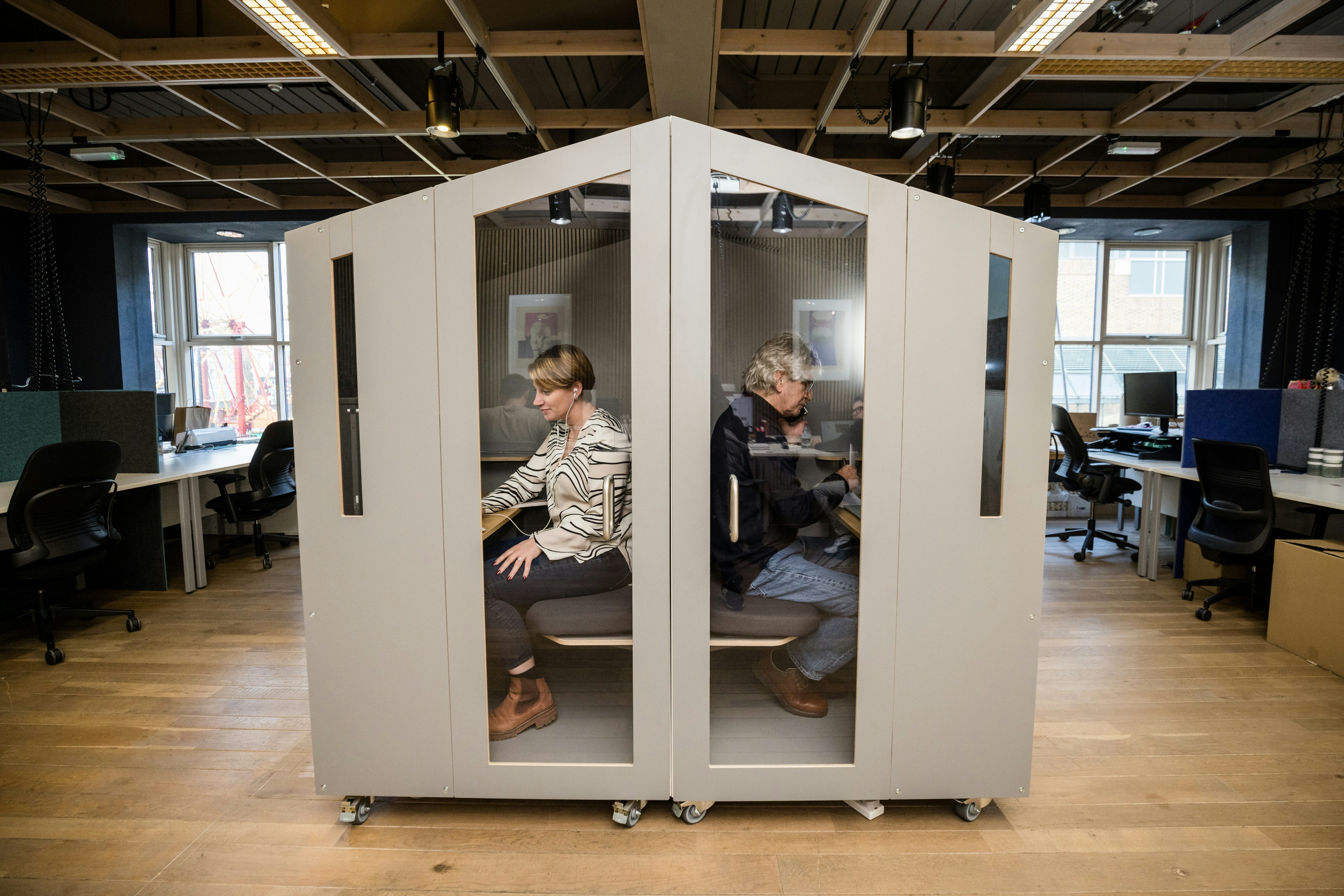
Best Coworking London: Neighborhood Guide to Central, East and West London Spaces
Finding the best coworking London option is rarely about picking the flashiest lounge or the cheapest hot desk. In a city as large and varied as London, the neighbourhood you choose can shape your commute, your daily costs, the calibre of people you meet and even how productive your team feels across the week. For freelancers, startups and hybrid teams, location is often the difference between a workspace that supports growth and one that becomes an expensive inconvenience.
That is why this guide compares London by area rather than serving up another generic list of venues. Central, East and West London each attract different kinds of workers, offer different price points and create different day-to-day experiences. Whether you want prestige and client convenience, startup energy and flexible memberships, or a more polished work-life balance, understanding the local context will help you shortlist the best coworking spaces London has for your needs.
Below, you will find a practical breakdown of what each zone does best, how to compare them and which type of workspace suits freelancers, founders and small teams. If you are reviewing options from abroad or relocating from Australia, this approach will help you make a faster and more confident decision.
Why location matters when choosing the best coworking London space
When people search for the best coworking London has to offer, they often start with facilities: fast Wi-Fi, meeting rooms, coffee and design. Those features matter, but location usually has the bigger long-term impact. A beautifully fitted workspace loses its appeal quickly if your commute is unreliable, your clients avoid the area or your team spends too much time travelling in from opposite sides of the city.
Neighbourhood choice affects day-pass value, especially if you only need a desk one or two days a week. It also influences networking opportunities. A consultant may benefit from a premium Central London address close to corporate clients, while a founder might gain more from an East London space surrounded by startups, events and creative operators. According to Transport for London travel information, accessibility can vary significantly by Tube, rail and bus links across districts, so even short distances on the map can feel very different in practice.
Looking at area first also helps you compare the best shared office space London offers in a more realistic way. Instead of asking which venue is best in the abstract, you can ask which part of London best fits your work style, your budget and the kinds of people you want around you.
How to compare coworking neighborhoods in London
A useful coworking space comparison London readers can rely on should go beyond brochure claims. Start with transport links, because convenience shapes attendance and consistency. Next, compare average desk pricing, what is included in the membership, access to meeting rooms, nearby cafés, wellness facilities and how easy it is to host visitors. If you are choosing on behalf of a team, include commute patterns across employees rather than just the founder’s preferences.
It also helps to assess the surrounding business ecosystem. London’s employment, commuting and business activity patterns vary by borough and district, and sources such as the Office for National Statistics London data and UK business activity and location statistics can provide broader context on where different industries cluster. For example, if you want a best shared office space London option for finance-adjacent work, legal services or enterprise sales, proximity to major commercial hubs may matter more than creative ambience.
Property and market context can be helpful too. Neighbourhood demand, pricing pressure and local momentum often filter into workspace rates and availability. Useful references include HM Land Registry location data, Rightmove market trend reporting, JLL London office research, Savills flex space research and CBRE workspace insights. Together, these sources help you understand not just where to work, but why one area may represent better value than another.
Key factors: price, commute, community and flexibility
The main trade-off in the best coworking spaces London market is simple: convenience and prestige usually cost more, while affordability often means going slightly farther from the city’s most central business zones. Central London tends to command the highest rates, but it can save hours in travel and make client meetings easier. East London often strikes a middle ground, offering stronger community and startup energy without the same premium as the West End. West London can be excellent for lifestyle and polished environments, though rates vary sharply depending on exact location.
For day passes, look at total value rather than just the headline fee. A slightly more expensive pass may be worthwhile if it includes phone booths, reliable quiet zones and meeting room credits. For hot desks, check how crowded the space becomes on Tuesdays through Thursdays, when hybrid attendance is usually highest. For monthly memberships, pay close attention to minimum terms, notice periods and whether you can upgrade from a shared desk to a private office without penalty.
Community should also be treated as a serious business factor. The best workspace for an independent consultant may be one with calm, professional energy and polished meeting areas. The best coworking for startups London users prefer may be those with founder events, introductions, flexible layouts and a culture that rewards collaboration. Match the membership model to the way you actually work, not the way a brand markets itself.
Best coworking Central London: who it suits and what to expect
If your priority is convenience, visibility and access, the best coworking Central London options are often the strongest fit. This part of the city suits consultants, client-facing professionals, boutique agencies and small teams that need to host meetings regularly or travel across London with minimal friction. It is also appealing for overseas businesses setting up a foothold, because a central address can add confidence when meeting partners or customers for the first time.
What should you expect? Higher prices, generally. Central London memberships often carry a premium for location, building quality and amenities. In return, you usually get excellent transport access, strong hospitality standards, well-designed common areas and better proximity to legal, finance, media and corporate service providers. For business district context, the City of London official business information offers useful background on the concentration of commercial activity in and around central areas.
For many users, the equation comes down to prestige versus cost. If your work depends on face time, presentations and an easy-to-reach base, paying more for a top coworking spaces London address can make sense. If you mostly need a laptop desk and occasional calls, the premium may be harder to justify.
Top Central London areas for coworking
Soho is a strong pick for creative agencies, media professionals and brand consultants who want energy, walkability and plenty of cafés and after-work options. It is lively and convenient, but not always ideal if you need complete quiet. Covent Garden shares some of that central buzz, with an added appeal for client meetings and hospitality-led surroundings.
Holborn tends to suit legal, advisory and professional services workers who want a more businesslike environment with solid transport links. Fitzrovia often attracts design, tech and independent professionals looking for central access without the full intensity of Soho. King’s Cross is one of the most practical choices in the best coworking central London category for teams with members arriving from multiple parts of London or from other UK cities, thanks to major rail and Underground connections.
The right district depends on workflow. If your day revolves around external meetings, Soho or Covent Garden may feel most useful. If you value easier commuting and a balanced office atmosphere, King’s Cross or Holborn can be more efficient. That is why any serious search for the best coworking central London option should begin with how you work, not just where a space photographs well.
Best coworking East London: creative, startup-friendly and community-led
East London has become the default answer for many people looking for the best coworking east London experience, and for good reason. It combines a strong startup culture, creative energy and a generally more relaxed feel than the West End, while still offering excellent business opportunities. For founders, freelancers, digital teams and product-led businesses, East London often delivers the most appealing balance of affordability, personality and community.
Shoreditch and Old Street remain the best-known anchors, especially for tech-adjacent businesses and early-stage companies. Hackney and nearby districts broaden the appeal with a mix of creative studios, flexible memberships and spaces that feel less corporate. The wider economic and demographic story is also worth understanding; resources from the Greater London Authority can help explain area-level growth, population changes and business patterns that influence where coworking ecosystems become strongest.
Relative to the most expensive central pockets, East London can offer better value, especially for hot desks and early team memberships. That does not mean cheap across the board; popular startup zones can still be highly competitive. But many professionals feel they get more cultural fit and networking upside for the spend, which is why this area consistently features in conversations about the best coworking east London market.
Why East London appeals to startups and freelancers
The biggest draw is density. When startups, creatives, developers, marketers and founders work in the same few districts, introductions happen faster. Events are more frequent, referrals move more naturally and there is a stronger chance of meeting collaborators, clients or investors in the normal course of the week. For anyone seeking the best co working space London for freelancers, that community effect can be just as valuable as the desk itself.
East London spaces also tend to be more flexible in style. You are more likely to find memberships that accommodate a mix of day passes, hot desks, casual breakout areas and community programming designed to keep solo operators connected. That matters for freelancers who want to avoid isolation and for early-stage teams that are still figuring out how often they need to come together in person.
For startups, the best coworking for startups London options in the East often include room to grow, from shared tables to dedicated desks and then private offices within the same operator network. That continuity reduces moving friction and helps teams keep their community ties intact as headcount increases.
Best coworking West London: premium spaces and lifestyle convenience
West London appeals to professionals who want a more polished day-to-day experience. The best coworking west London options often attract established businesses, media professionals, international teams and workers who care about high-quality finishes, neighbourhood amenities and a smoother work-life balance. While it may not always have the startup density of the East or the all-out centrality of the West End, it offers a compelling mix of professionalism and comfort.
Hammersmith is practical for westbound commuters and companies with staff spread across residential parts of West London. Paddington stands out for rail access, national connections and convenience for those moving between London and other UK cities. Notting Hill and Kensington tend to skew more premium, appealing to businesses that want quieter prestige, excellent hospitality options and a stronger lifestyle component around the workday.
This part of the city can also make sense for international visitors and airport-linked travel. If your role involves Heathrow access, regular meetings with overseas clients or a preference for less hectic surroundings, West London can outperform more obvious central alternatives. In the best shared office space London conversation, West often wins on comfort and consistency rather than buzz.
Who should choose West London coworking
West London is a smart choice for professionals who value premium surroundings, live nearby or want to avoid the intensity of more crowded central districts. It can be especially well suited to media and advisory businesses, senior consultants, international firms and hybrid workers who need a reliable, high-standard base without being in the thick of Soho or Shoreditch every day.
Compared with Central London, West may offer a calmer environment and better residential alignment for workers based in surrounding neighbourhoods. Compared with East London, it may feel less community-led for startups, but stronger for privacy, finish quality and client comfort. If residential proximity, airport access or quieter streets matter as much as networking volume, the best coworking west London option may deliver the best overall fit.
Best coworking space London for freelancers vs startups vs small teams
The best coworking London choice depends heavily on who is using it. A freelancer working three solo days a week has very different needs from a startup hiring rapidly or a small team needing privacy for calls and client work. Segmenting your search by user type makes it easier to filter out spaces that look appealing but are operationally wrong for your day-to-day needs.
As a rule, freelancers should prioritise affordability, ease of access and community. Startups should prioritise flexibility, growth pathways and network value. Small teams should focus on privacy, meeting facilities, collaboration zones and contract terms that reduce risk while still allowing expansion if needed.
What freelancers should prioritize
When evaluating the best co working space London for freelancers, cost control matters, but so does usability. A low-cost desk is not a bargain if the Wi-Fi drops out, there are no phone booths for client calls or the room becomes too noisy to concentrate. Strong basics are essential: reliable internet, ergonomic seating, enough quiet corners, secure access and a simple booking process for day passes or occasional memberships.
Freelancers should also look at community events through a practical lens. Networking breakfasts, workshops and informal social sessions can lead to referrals and partnerships, especially if you are new to London. For many independents, the best coworking spaces london are the ones that combine affordability with enough interaction to replace the lost business development that often comes with working from home.
What startups and growing teams should prioritize
For founders and scaling businesses, the best coworking for startups London offers is usually not just a desk, but a growth environment. Start with scalability: can you move from hot desks to dedicated desks to a private office without changing postcode or provider? That matters more than many teams expect, because momentum is easily lost when you have to relocate during a growth phase.
Look closely at investor and founder networks, event programming, meeting room availability, whiteboard space, soundproof booths and guest policies. A startup that pitches regularly or runs collaborative product sprints needs a very different setup from a two-person advisory business. Many of the top coworking spaces London startups favour are those that make upgrading easy, support hybrid attendance and offer a natural path from scrappy beginnings to more structured office use.
Small teams should also check whether there are hidden costs around printing, meeting room overages, storage lockers, IT support or after-hours access. The cheapest monthly rate can become expensive once those extras are added back in.
Central vs East vs West: a practical coworking space comparison London readers can use
If you want a deeper venue-by-venue breakdown after comparing zones, see Best Coworking Spaces in London (2026): Day Passes, Hot Desks, Neighborhoods & Memberships. As a quick coworking space comparison London readers can use right now, think of Central, East and West as serving three different priorities.
Central London is best for convenience, prestige and client access. It generally suits consultants, agencies, legal and advisory professionals, and any team that needs to move across the city quickly. Costs are usually the highest, but transport access is strongest and the business signal is clear. If you are searching for the best coworking central London option, you are likely optimising for efficiency and presentation.
East London is best for community, startup energy and creative culture. It often suits founders, freelancers, digital workers and early-stage teams that benefit from peer networks and more flexible memberships. Costs can still be high in prime areas, but value is often better than the most prestigious central districts. If your priority is finding the best coworking east London space, you are likely looking for momentum, collaboration and room to grow.
West London is best for lifestyle, premium surroundings and residential or airport convenience. It tends to suit established businesses, international operators and professionals who want polished spaces without the same intensity as Central or East. If your shortlist revolves around the best coworking west London choices, comfort, finish quality and long-term ease may matter more than startup buzz.
In simple terms: choose Central for access, East for community and West for lifestyle. That framework will help most readers narrow the field quickly before comparing individual operators.
How to choose the best coworking spaces London has for your budget and work style
Before booking a tour or trial day, make a shortlist and pressure-test each option with the same checklist. Ask about membership terms, notice periods, security deposits, guest access, meeting room credits, printing costs, locker fees and peak-time capacity. Confirm whether quiet zones stay quiet, whether phone booths are sufficient during busy periods and whether internet speed is guaranteed or just advertised.
Then test the commute in real conditions. A route that looks simple on a map may be frustrating in practice, particularly if you rely on multiple interchanges. Check area transport resilience through TfL service updates and accessibility information, and consider how the journey feels on the days you will actually attend. If you are moving staff into a new area, it is also worth reviewing broader business and location context through research from JLL, Savills and CBRE to understand market conditions and flex office trends.
Most importantly, use a trial day to observe how the space functions, not just how it looks. Notice the noise levels, temperature, availability of breakout areas, staff responsiveness and whether the community feels aligned with your work. The best shared office space London users choose is usually the one that supports their routine with the least friction, not the one with the most stylish marketing photos.
Final Thoughts
The best coworking London option comes down to choosing the right neighbourhood before choosing the right brand. Central London offers access and prestige, East London delivers startup energy and community, and West London provides premium convenience and lifestyle balance. If you compare commute, price, atmosphere, flexibility and user fit in that order, you will make a far stronger decision than by browsing venue photos alone. Use this guide to narrow your preferred zone, explore listings on SEEK and, where needed, speak with a workspace professional before committing to a membership or office solution.