Creative Office Space London Guide 2026 Best Areas, Workspace Features and Costs
By Steve Dempsey, Head of Media | SEEK
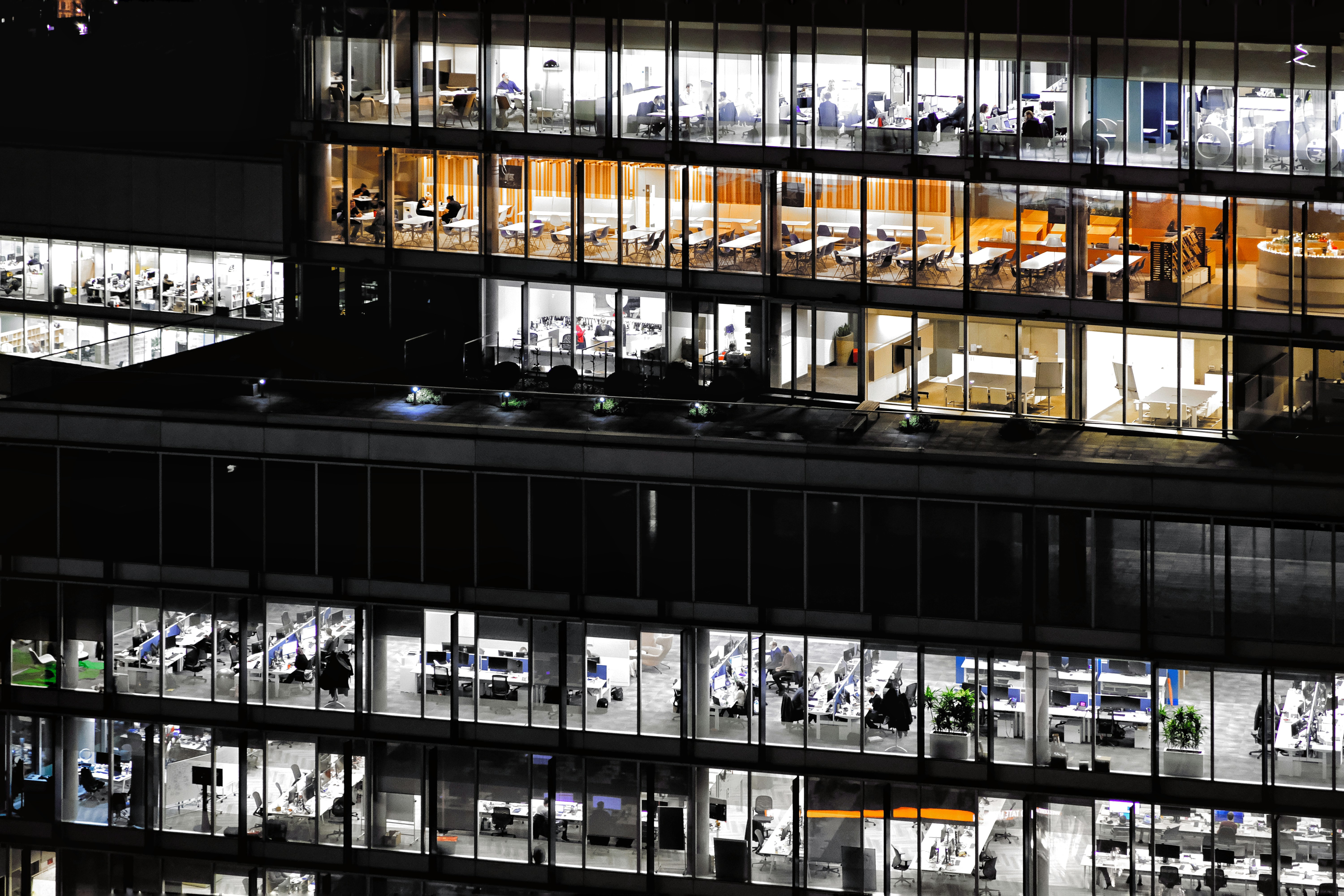
Creative Office Space London: Best Areas, Design Features & Costs for 2026
Finding the right creative office space London businesses can grow into is about far more than desks and rent. For founders, office managers and fast-moving creative teams, the office often doubles as a studio, collaboration hub, client showcase and cultural anchor. The challenge is that London offers huge variety, from warehouse conversions in the East to polished managed suites in central districts, and not every stylish space will actually support the way your team works.
A well-chosen workspace can help shape how staff feel, how clients perceive your brand and how efficiently day-to-day operations run. That matters even more in 2026, when businesses are balancing hybrid work, rising occupancy costs and the need to offer people a more compelling reason to come into the office. Broader business and labour trends tracked by the Office for National Statistics continue to show why location, talent access and operating costs remain central to office decisions.
This guide breaks down what defines an inspiring office space London occupiers genuinely value, why design-led workplaces matter commercially, which neighbourhoods suit different creative businesses, what creative office space in London costs in 2026, and how to shortlist options with confidence.
What defines creative office space in London?
Creative office space London occupiers look for tends to feel flexible, expressive and operationally smart rather than corporate for its own sake. A workspace for creative businesses London teams enjoy usually combines open collaboration areas with quieter focus zones, strong natural light, adaptable furniture, thoughtful acoustics and room for the company’s identity to show through. It should support brainstorming, presentations, production work and informal interaction without becoming chaotic.
In practical terms, inspiring office space London tenants often prioritise includes a mix of meeting rooms, breakout areas, social spaces, content-friendly backdrops, private call booths and layouts that can evolve with headcount. For startups, agencies, production firms, fashion brands and media companies, creativity is rarely just about aesthetics. It is about whether the environment helps people generate ideas, move quickly and present work confidently to clients.
That means a creative office can sit in many formats: a fitted suite in a managed building, a self-contained loft in a converted warehouse, or a polished serviced floor with custom branding. The common thread is that the office supports culture and output while feeling distinct from a generic conventional workspace.
Why creative businesses choose design-led offices
A design led office space London businesses invest in can produce measurable benefits. It can improve collaboration by creating better sightlines, more usable meeting areas and stronger links between departments. It can also help recruitment and retention, particularly when prospective hires compare multiple employers and want a modern office space London teams are proud to use.
For client-facing businesses, office design also influences credibility. A branded office space London firm uses well can communicate confidence, attention to detail and creative capability before a pitch even starts. In competitive sectors, that can support new business outcomes just as much as a polished website or portfolio.
There is also a productivity case. Better zoning, stronger lighting, more comfortable furniture and improved air quality make offices easier to work in for long periods. Current market commentary from JLL UK office research and workplace trend analysis from Cushman & Wakefield insights regularly highlight how occupiers are placing greater value on quality, amenity and experience rather than simply taking the cheapest floor available.
How office design impacts brand perception
The strongest branded office space London companies create usually tells a consistent story from reception to boardroom. Finishes, colour palette, signage, artwork and furniture choices can all reinforce identity. A minimalist design agency may favour clean lines and gallery-like presentation spaces, while a content production company may prefer textured finishes, informal lounges and rooms that double as filming or podcast settings.
Design led office space London occupiers choose often works hardest in high-visibility areas: reception zones, client meeting rooms, presentation suites and kitchen breakout spaces where informal conversations happen. These areas shape first impressions for visitors while also affecting how staff feel about the business they represent. Even practical layout decisions, such as whether clients pass through working teams or are guided into dedicated hospitality space, change the experience of the brand.
For businesses comparing several properties, it helps to ask not just whether a space looks good, but whether it reflects how the company wants to be perceived. The best office becomes a physical extension of the brand rather than a neutral container.
Why character matters alongside functionality
Character office space London occupiers love often includes heritage details that are hard to replicate in a new build: exposed brick, steel columns, timber floors, warehouse windows and high ceilings. These features help create a unique office space London creative teams can remember and market. They often photograph well, support distinctive fit-outs and offer a sense of authenticity that suits design, media and cultural brands.
That said, character should never come at the cost of usability. Older buildings can present challenges around acoustics, heating and cooling, lift capacity, toilet provision and power distribution. A striking industrial floor may still need more meeting rooms, better HVAC and stronger sound separation to function well for modern hybrid teams.
The right balance is a space with personality and practical performance. If you are touring character offices, test the basics carefully: mobile signal, data resilience, glare, noise transfer and whether the layout can support both collaborative and heads-down work.
Best London areas for creative office space
Location has a major influence on the quality and type of creative office space London businesses can secure. Different neighbourhoods shape commute times, staff appeal, client convenience, rental level and even the style of building stock available. Choosing between East, Central, South or West London is not just a map decision; it is a strategic decision about brand positioning and daily experience.
Cool office spaces London searchers often shortlist sit in areas with strong food, culture and after-work activity because those factors help attract talent and make office days more worthwhile. Commute connectivity matters too, especially for hybrid teams arriving from different parts of the city. Reliable journey planning and accessibility information from Transport for London can be useful when comparing neighbourhoods that seem similar on rent but differ significantly on ease of access.
East London creative spaces: Shoreditch, Old Street and Hackney
East London creative spaces remain the benchmark for many startups, agencies, design studios, digital firms and media occupiers. Shoreditch continues to offer some of the city’s best-known cool office spaces London teams seek, with converted warehouses, design-forward managed offices and a lively ecosystem of cafés, bars and creative businesses. It suits companies that want a recognisable innovation and culture address.
Old Street typically blends tech energy with more established office stock. Businesses looking for workspace for creative businesses London teams can scale within often find stronger availability around fitted and managed floors here than in the tightest Shoreditch pockets. It can be a good middle ground between image, transport and growth potential.
Hackney leans more local, independent and design-centric. It appeals to brands that value authenticity and neighbourhood character, though building supply can be more fragmented and transport convenience may depend heavily on the exact location. Across the East London market, research from Savills commercial property research and Knight Frank commercial research is useful for tracking rental movement, demand and vacancy patterns by submarket.
Central options: Soho, Fitzrovia and Covent Garden
For brands that need prestige, client accessibility and a strong cultural backdrop, Soho, Fitzrovia and Covent Garden remain compelling choices. These districts offer unique office space London occupiers use to strengthen profile, with everything from boutique period buildings to high-spec fitted floors. They are especially attractive for advertising, production, luxury, media and consultancy-led creative businesses that frequently host clients.
An inspiring office space London team chooses in these central districts often benefits from excellent public transport, hospitality options and the buzz of being close to clients and collaborators. The trade-off is usually cost, tighter floorplates and lower availability, particularly for self-contained spaces with real character.
If your shortlist includes central London, local planning and district context can also be worth reviewing through City of London market reports and planning information, especially when access, future development and commercial activity in surrounding areas may influence long-term suitability.
South and West London alternatives for design-conscious teams
Not every creative business needs to default to East London. South Bank offers modern office space London firms often choose for its riverside setting, cultural institutions and strong transport access. It can work especially well for organisations wanting a polished environment with strong client appeal.
Further west, Hammersmith and Chiswick offer design led office space London occupiers may find more practical for larger teams, particularly when seeking campus-style developments, better parking access or larger efficient floorplates. Battersea also continues to attract interest thanks to newer mixed-use schemes, improved transport and a growing lifestyle offer.
These areas can be attractive to companies prioritising modern amenities, wellness features and easier expansion over warehouse character. They may also provide better value on a per-desk basis than the most in-demand central creative districts.
What creative office space in London costs in 2026
Budgeting for creative office space London businesses can realistically afford requires more than comparing headline rent. In 2026, total occupancy cost will usually depend on location, size, building quality, fit-out standard, lease flexibility, service charge, utilities, business rates and the level of amenity included. The same 30-desk requirement can produce very different costs depending on whether you choose a managed floor in Shoreditch, a serviced suite in Fitzrovia or a conventional lease in Hammersmith.
Businesses still early in the search process may also benefit from reading Best serviced offices in London: areas, amenities, costs and how to choose to understand how all-inclusive pricing compares with other structures. For official guidance on rates and commercial valuation, the Valuation Office Agency is an important reference point, while broader cost pressures linked to interest rates and inflation can be tracked through Bank of England economic data.
At a market level, higher-demand creative districts and best-in-class fitted spaces often command a premium, while fringe locations or spaces needing works can create savings. Data-led occupiers may also review transaction and title information via HM Land Registry open property data when building a fuller view of local market activity.
Cost differences between serviced, managed and leased space
Serviced offices usually offer the simplest monthly pricing. Furniture, utilities, reception services, internet, cleaning and shared amenity access are typically bundled in, making them attractive to smaller creative occupiers or businesses needing speed and flexibility. The downside is that a premium is built into convenience, and branding options may be limited unless you take a larger private suite.
Managed offices sit between serviced and leased space. They are often ideal for businesses wanting a branded office space London team can personalise without taking on the full obligations of a conventional lease. Pricing is commonly quoted on an all-inclusive or semi-inclusive basis, but custom design, dedicated meeting rooms and enhanced fit-out will push costs up.
Traditional leased space can look cheaper on headline rent, but it brings more separate costs, including fit-out, furniture, business rates, dilapidations risk and operational management. For established occupiers with clear growth plans, leased workspace for creative businesses London can deliver greater control and stronger economics over a longer term, but it requires more capital and planning discipline.
Why fit-out, amenities and location change the price
A design led office space London occupier walks into with premium finishes, bespoke joinery and curated furniture will naturally cost more than a basic fitted floor. Amenities such as terraces, wellness rooms, end-of-trip facilities, podcast studios, event space and large collaboration hubs all increase rent or management cost, either directly or through higher service charges.
Character office space London tenants compete for can also carry a premium where supply is scarce, particularly in popular submarkets with limited self-contained stock. Cool office spaces London businesses want in Soho or Shoreditch are often expensive not just because of the postcode, but because the best buildings combine image, transport and limited availability.
When comparing costs, always look at total effective occupancy cost rather than rent alone. A slightly higher monthly deal may represent better value if it includes meeting room access, stronger AV, fitted collaboration zones and fewer upfront capex requirements.
Must-have features to look for in a creative workspace
The best workspace for creative businesses London has to work on two levels: practical performance and emotional appeal. It should feel energising, but it also needs to support deadlines, production cycles and hybrid attendance patterns. A useful checklist starts with flexible layout options, a healthy ratio of meeting rooms to desks, strong natural light, reliable internet and enough private areas for focused work or confidential calls.
For many modern office space London occupiers, specialist features are becoming standard rather than optional. These can include content creation rooms, editing suites, podcast booths, pin-up space, movable furniture, lockable storage and informal collaboration zones that can host quick stand-ups or longer workshops. Inspiring office space London teams genuinely use also tends to offer bike storage, showers, good kitchens and comfortable breakout areas that encourage people to stay and connect.
Digital resilience matters just as much as design. Before committing, check bandwidth, Wi-Fi performance, backup connectivity, power distribution and AV readiness. An attractive office that struggles with video calls or production workflows will quickly lose its appeal.
Features that support hybrid teams and client-facing work
Hybrid working means the office needs to perform best on the days people come together. That makes bookable collaboration spaces, AV-ready meeting rooms and adaptable project zones especially important. A modern office space London businesses choose for hybrid teams should make workshops, creative reviews and social interaction easy to organise without causing disruption to those doing focused work.
For client-facing firms, hospitality features are equally valuable. A branded office space London company can confidently bring visitors into should have a welcoming reception, clear wayfinding, attractive meeting rooms and spaces suitable for presentations, launches or informal coffees. If your business regularly pitches, hosts reviews or films content, event-capable areas and high-quality acoustics are worth paying for.
The strongest offices support both external impression and internal efficiency. They give clients confidence while making it easier for teams to do their best work together.
How to choose the right creative office space for your business
Choosing creative office space London businesses can grow into starts with clarity on how the space will be used, not just how it looks on a tour. Headcount is the obvious starting point, but growth plans, attendance patterns, department mix and client requirements often matter just as much. A 20-person business that hosts clients twice a week may need more meeting and presentation space than a 30-person internal-facing team.
Create a shortlist around five filters: budget, location, brand fit, operational functionality and flexibility. Think carefully about commute patterns and whether your preferred neighbourhood supports recruitment. A unique office space London founders love may still be the wrong choice if too many staff face difficult journeys or if expansion options are limited.
It also helps to rank spaces with a scorecard rather than relying on instinct. Rate each office against essentials such as transport, natural light, layout efficiency, meeting room count, acoustics, branding potential, total monthly cost and speed to occupy. This keeps trend-led choices from overshadowing what the business actually needs.
Questions to ask before signing
Before committing to a branded office space London occupiers should ask detailed questions about what is and is not included. Confirm lease length, break options, rent review structure, service charge assumptions, business rates exposure and any restoration obligations at exit. If the space is managed or serviced, ask which amenities are capped, shared or bookable at extra cost.
For character office space London businesses are fitting out, ask whether landlord consent is needed for signage, partitioning, studio works or specialist equipment. Test internet resilience, mobile signal, acoustic separation and actual meeting room availability during busy times. If your teams produce content or host clients, ask about out-of-hours access, event permissions and sound restrictions.
Finally, discuss growth. Can you expand within the building, move to another suite, or reconfigure the layout as the team changes? The best deal today can become restrictive very quickly if future flexibility is ignored.
Final checklist: finding an office that feels creative and performs commercially
The most successful creative office space London businesses choose tends to strike a clear balance between style and substance. It should express brand identity, support collaboration and leave the right impression on clients, but it also has to function operationally and make sense financially. Cool office spaces London occupiers admire are only truly valuable when they help teams work better and justify the cost.
As you compare options, return to the essentials: location, commute ease, layout, character, infrastructure, flexibility and total occupancy cost. Tour a mix of neighbourhoods, test assumptions with your team and use a shortlist scorecard to compare each space consistently. An inspiring office space London company grows into should feel creative on day one and remain practical two years later.
Final Thoughts
The right creative office space London businesses secure in 2026 can strengthen culture, improve day-to-day performance and sharpen how the brand is experienced by both staff and clients. Whether you are weighing East London character, central prestige or value in South and West London, the smartest move is to assess each option through the lens of design, function, flexibility and total cost. Start exploring listings on SEEK, build a practical shortlist and speak with a property professional to find a workspace that feels inspiring and performs commercially.