Coworking West London 2026 Guide: Best Areas, Costs, Day Passes vs Serviced Offices
By Steve Dempsey, Head of Media | SEEK
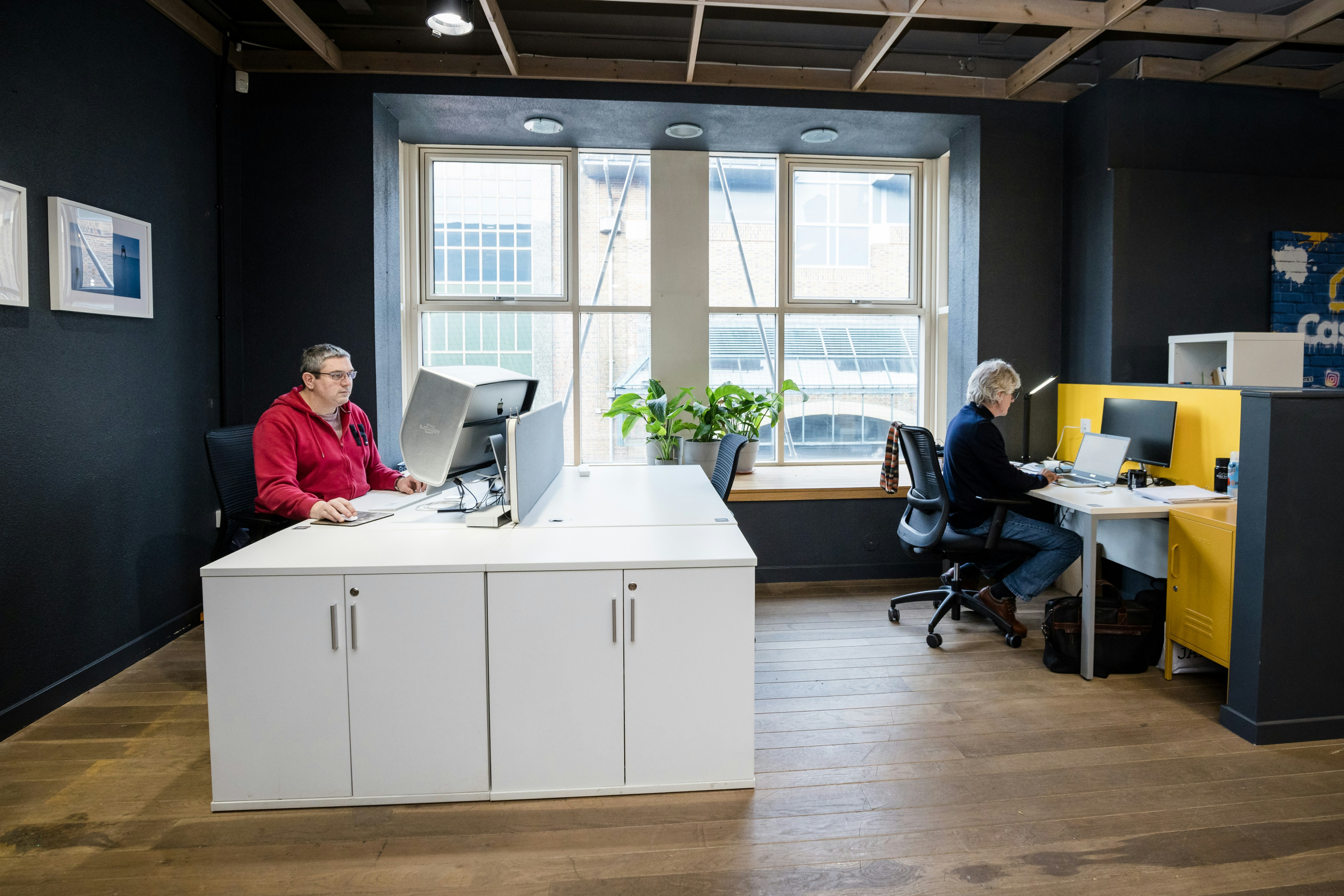
Coworking West London: Best Areas, Prices, Day Passes & Serviced Office Options (2026)
Choosing coworking West London in 2026 isn’t just about finding a desk—it’s about picking the right base for hybrid work, client meetings, hiring, and day-to-day momentum. West London has become one of the most practical parts of the city for flexible workspace: strong transport, proximity to major corporate hubs, and neighbourhoods that feel liveable after 6pm.
This guide breaks down the best West London coworking areas for freelancers, teams and growing businesses, what you can realistically expect to pay for day passes, monthly memberships and private offices, and when you should consider serviced offices or a more traditional lease instead. If you’re weighing up Hammersmith vs Paddington vs White City (or simply trying to keep costs predictable), you’ll find clear decision tips and real-world price bands to help you shortlist options on SEEK.
Why coworking in West London in 2026 (and who it suits)
The big draw of west london coworking is optionality: you get access to the city’s commercial network without committing to a long lease or a fixed commute. Many businesses also like West London’s access to talent—particularly in tech, media, consulting and corporate functions—supported by broader employment and regional trends tracked by the Office for National Statistics (UK employment and regional data).
It suits different workstyles:
• Solo workers and freelancers: affordable hot desks, quiet zones, phone booths and community events without the overhead of a private lease.
• Startups: month-to-month flexibility, meeting rooms on demand, and the ability to scale from a couple of desks to a small suite.
• Project teams: short bursts of collaboration (2–12 weeks) with simple billing, day passes, or dedicated desks.
• Corporate and satellite teams: a West London touchdown space near clients or staff, without fitting out a long-term office.
In 2026, coworking west london typically includes: high-speed internet, breakout areas, staffed reception (in larger centres), printing, kitchen facilities, member events, and meeting rooms you can book by the hour. Contracts are designed for flexibility—think rolling monthly, short fixed terms, or bundle-style credits—though inclusions vary. When comparing options, treat the membership as a package and confirm what’s actually included (internet SLA, meeting room credits, guest policy, and access hours). If you want a broader framework for comparing operators and deal structures, use this flexible workspace London guide for teams (pricing, contract types and amenities checklist).
West London coworking area guide: where to base your team
West London isn’t one market—it’s a set of micro-markets. The right workspace West London choice comes down to: where your team lives, where clients are, what “good value” means for you (cheaper desks vs better connectivity), and whether you need privacy.
If you’re building a shortlist, a simple comparison table can help: vibe (corporate vs creative), typical users (freelancers, scale-ups, corporates), transport (key lines/rail access), and value for money (space quality vs price). For commute planning, tools like TfL’s WebCAT/PTAL connectivity resources are useful for sanity-checking access and catchments beyond just “nearest Tube station”.
Hammersmith: transport-led hub for teams
If you want a practical, well-connected base, coworking Hammersmith is hard to beat. The District, Piccadilly and Hammersmith & City lines make it straightforward for staff coming from across London, and the A4/M4 corridor is a big plus for teams travelling to Heathrow, Slough or the Thames Valley.
The area offers a mix of coworking floors, managed private offices and more traditional offices in Hammersmith. Look at micro-areas based on how you work:
• King Street: convenient for shops, lunch options and post-work amenities—good for team culture.
• Hammersmith Broadway: maximum transport convenience—ideal for hybrid teams with varied commutes.
• Riverside: a calmer, premium feel—often better for client meetings and focused work (sometimes at a higher price point).
Decision tip: if your team is growing, prioritise operators that can move you within the same building (or nearby) from 4 desks to 12+ without changing your address. That continuity matters for sales pipelines and supplier admin.
Paddington & Westbourne: client-friendly and well connected
Paddington is built for fast movement: National Rail connections, strong Tube access, and proximity to the Elizabeth line network makes it attractive for client-facing teams and consultants who bounce between meetings. If your work involves frequent travel or you want a “meet me at Paddington” location that clients recognise instantly, it’s a strong play for workspace West London seekers who value convenience.
Budget vs convenience is the key trade-off. Premium buildings close to transport nodes usually cost more, but can pay back in reduced travel time and higher meeting reliability. If you’re cost-sensitive, look just outside the most obvious hotspot and compare the walk time and amenity set—often you can find near-equivalent connectivity for less.
White City & Shepherd’s Bush: creative, media, and scale-up options
For modern buildings and a creative-commercial mix, west london coworking options in White City and Shepherd’s Bush can be compelling. Newer developments and regeneration projects have attracted media, content, retail-adjacent brands and tech teams that want contemporary space without paying the highest central premiums.
This pocket can suit teams that prioritise: newer fit-outs, larger floorplates, and better breakout areas. It’s also a smart area to compare if you need more meeting space per person (for workshops, production planning, or sprint cycles) and want a “scale-up ready” environment.
Ealing & Acton: value-led workspaces with strong commuter access
Ealing and Acton can deliver strong value for money while keeping commuting practical—especially for West London residents or distributed teams that don’t want to trek into Zone 1. For many, this is the sweet spot of workspace West London: accessible, less hectic, and often more cost-effective than the most central clusters.
Building stock can vary from refurbished offices to mixed-use developments. On tours, check the practicals: soundproofing (especially if you do calls all day), how meeting rooms are allocated, and whether bike storage/showers are genuinely workable at peak times.
Chiswick & Brentford: M4 corridor convenience
If your business regularly travels west (Heathrow, Reading/Slough, or clients along the corridor), Chiswick and Brentford offer calm, professional bases with excellent M4 access. These areas can work well for customer success, logistics-adjacent businesses, and teams who prefer a slightly less central pace—without losing credibility.
Considerations: parking (and whether it’s included or paid), visitor ease, and proximity to business parks if you collaborate with larger corporates. If your clients drive, a location that avoids central congestion can make meetings smoother and reduce cancellations.
Coworking pricing in West London (2026): desks, studios, and day passes
Pricing for coworking West London in 2026 depends on three big drivers: (1) building grade and fit-out, (2) proximity to key stations, and (3) what’s bundled into the membership (meeting room credits, printing, events, after-hours access). Broader market benchmarks are often discussed in commercial research, such as Savills Research reports on London offices, Knight Frank’s London market insights, and paid data platforms like CoStar commercial property benchmarking.
As a working guide (per person, per month, ex VAT where applicable):
• Hot desk (monthly): Low £200–£320 | Typical £320–£450 | Premium £450–£650+
• Dedicated desk (monthly): Low £300–£450 | Typical £450–£650 | Premium £650–£900+
• Private office (per desk equivalent, monthly): Low £450–£700 | Typical £700–£1,050 | Premium £1,050–£1,500+
• Small studio / team room: often priced as a private office with a minimum commitment (or a premium if it’s self-contained).
• Meeting rooms (hourly): Low £25–£45 | Typical £45–£80 | Premium £80–£150+ (higher for boardrooms or peak-time bookings)
Day passes commonly sit in the £25–£55 range, with premium sites and “all-access” passes higher. When budgeting for a workspace West London membership, factor add-ons that can shift the real cost: extra meeting room hours, lockers/storage, mail handling, additional IT/security needs, and guest passes. To benchmark hot-desking and desk hire options across the city, compare against this Hot Desk London guide (2026 prices, areas and booking tips).
If you’re also comparing broader London pricing and how different zones stack up, see Coworking London (2026): best spaces, prices, day passes & area guides.
Day passes vs monthly membership: when each makes sense
Day passes are best when you’re trialling an area, need a reliable base for a client week, or want to test whether a particular operator’s environment suits your team. They’re also ideal for hybrid schedules (e.g., 1–2 days per week) where a full membership doesn’t pencil out. If you’re mapping day-pass costs and access rules (including 24-hour options), use this coworking day pass London guide (2026).
Monthly membership is usually better when you need consistency: guaranteed desk availability, storage, predictable billing, and smoother access to meeting rooms. Before you buy, confirm the fine print—especially for coworking west london deals:
• Hours and access: is it 24/7, business hours only, or restricted weekends?
• Phone booths: how many, and are they bookable?
• Meeting room credits: included hours vs paid overages.
• Guests: can clients sit with you, and is there a cap?
Coworking vs serviced offices in West London: which is better for your business?
Coworking and serviced offices West London options can look similar online, but the day-to-day experience is different. Coworking optimises flexibility and community; serviced offices typically prioritise privacy, a more corporate feel, and a clearer line between “your space” and shared areas. If you’re comparing operator styles and inclusions (particularly in larger brands), see this WeWork London UK guide to areas, memberships and day passes.
A simple decision framework:
Choose coworking if you’re under ~10–15 people, have variable attendance, want easy month-to-month changes, and can operate comfortably with shared kitchens and casual meeting areas.
Choose serviced offices if you need higher privacy, frequent client meetings, tighter IT/security controls, or branding (logo at reception, dedicated suite, controlled access). Many serviced solutions also offer cost predictability by bundling utilities, cleaning and reception.
For leasing standards and what “good practice” looks like when comparing flexible workspace agreements, it’s worth referencing RICS professional guidance notes on commercial property—particularly around transparency, heads of terms, and cost clarity.
Serviced offices in Hammersmith: when private suites win
For regulated teams, sales-heavy organisations, or businesses that host clients daily, serviced offices in Hammersmith can be the more professional fit. Private suites reduce noise risk, protect confidentiality, and allow a consistent brand experience without the time and capital of a full fit-out.
Typical inclusions in offices in Hammersmith under a serviced model: reception and guest handling, utilities, cleaning, security, furniture, basic IT, and access to meeting rooms. Contracts are commonly a licence agreement with a fixed term (e.g., 3–12 months) and renewal options—sometimes with step-ups depending on demand and inflation. Always ask how uplifts work at renewal and whether you can expand into adjacent space without resetting your term.
Considering offices to rent in West London? Flexible vs traditional leases
If you’re searching offices to rent in West London, you’ll see overlapping terms: coworking private office, managed office, serviced office, and traditional lease (“to let”). The right pathway depends on how long you want to commit, how much control you need, and whether you’re comfortable managing extra costs (rates, utilities, maintenance).
At a high level:
• Traditional lease: usually the lowest rent per square foot over the long term, but requires fit-out, longer commitments, and exposure to more variable costs. Best for stable headcount and mature operations.
• Managed office: somewhere between a lease and serviced—often a private space with a bundled service package and simpler setup.
• Serviced office: private suite with bundled services, faster move-in, and simpler billing.
• Coworking private office: private room within a coworking centre—great for small teams needing privacy plus shared amenities.
If you’re assessing long-term demand and office development patterns, the policy direction in the Greater London Authority’s London Plan provides context on how office areas evolve and why certain hubs attract new supply.
What ‘offices to let’ usually means (and key costs beyond rent)
When listings say offices to let West London, they typically refer to a more traditional commercial letting (rather than a membership). Rent is only one line item. Your total occupancy cost can include service charge, business rates, utilities, insurance, repairs, and fit-out—plus legal and agent costs. For a wider look at London leasing and flex options (including short-term arrangements), see this office to rent London short term guide (serviced, sublets and flexible leases).
Key items to understand when you rent office West London (or compare offices to rent in West London against flexible options):
• Business rates: check estimates and eligibility via the GOV.UK business rates lookup and guidance.
• Service charge: what building services are included (security, lift maintenance, communal cleaning) and whether costs can vary year to year.
• Rent review and break clauses: when rent can change, what notice is required, and the conditions for exercising a break.
• Dilapidations: end-of-term reinstatement obligations—often overlooked in budgets.
For transparency and neighbourhood context, you can also cross-check local signals using the English Indices of Deprivation data. And while it’s more commonly used in residential analysis, HM Land Registry Price Paid Data is a useful example of market transparency in the UK ecosystem—helpful when you’re building a data-led view of areas and change over time.
To avoid surprises, request a full cost schedule (rent + all outgoings) in writing before comparing “like-for-like” between offices to let west london listings and flexible workspace packages.
Shortlist checklist: how to choose the right West London workspace
Whether you’re looking at west london coworking or a more private workspace West London option, a consistent checklist keeps decisions objective—especially when two spaces feel similar on a quick tour.
Use this shortlist checklist:
• Commute reality: test door-to-door times for your team’s top postcodes (not just the nearest Tube line).
• Meeting room access: number of rooms, peak demand, and whether members get priority.
• Privacy and noise: acoustic treatment, phone booths, quiet zones, and whether calls spill into common areas.
• Internet and IT: bandwidth, redundancy, published SLA, and whether you can add a private VLAN if needed.
• Access hours: evenings/weekends, swipe access, guest entry rules.
• Accessibility: lifts, step-free access, accessible bathrooms, and reception support.
• Bike/car facilities: secure bike storage, showers, parking availability and cost.
• Community and culture: events, introductions, and whether the environment matches your team’s working style.
• Contract flexibility: notice period, ability to add/remove desks, and what happens if you need to downsize.
A simple process: define must-haves → pick 2–3 areas → trial two spaces with day passes → request written quotes for the same term and inclusions → compare total monthly cost and “risk factors” (noise, meeting room scarcity, renewal uplift) before committing.
Tour questions to ask (so you don’t overpay)
Ask these questions on every tour—especially for coworking west london memberships where inclusions vary widely. If you’re comparing big-brand operators against independents, this WeWork alternatives London guide (2026 pricing and negotiation tips) can help you sanity-check what you’re being quoted.
• What’s included in the price? (meeting room credits, printing, lockers, mail, events, phone booths)
• What’s the renewal uplift? Is it capped, indexed, or “market rate”?
• Are there discounts for longer terms? What’s the best rate for 6 or 12 months?
• What is the notice period? And are there exit fees?
• What’s the guest policy? Can clients sit with you, and for how long?
• How is meeting room overage charged? Hourly rate, minimum booking blocks, peak pricing?
• Storage and deliveries: how are parcels handled, and is there secure storage?
Next steps: book viewings and compare West London options
The fastest way to choose the right coworking west london setup is to turn your search into a short experiment. Define your requirements (headcount, meeting room needs, budget ceiling, access hours), pick 2–3 neighbourhoods that match your commute and client patterns, and test your top contenders with a day pass. Then compare apples-to-apples: coworking membership vs private office in a coworking centre vs serviced offices West London vs a managed/traditional lease.
SEEK can help you compare availability, inclusions and pricing across West London so you can make a confident decision—whether you need a single desk next week or a private team suite near Hammersmith for the year ahead.
Final Thoughts
In 2026, coworking West London is one of the most flexible ways to secure a professional base without locking into long commitments—especially if you match the area to your commute and client needs. Use neighbourhood fit (Hammersmith for connectivity, Paddington for client access, White City for newer space, Ealing/Acton for value, Chiswick/Brentford for M4 convenience), validate total costs (including add-ons), and choose the right model—coworking, private office or serviced suites—based on privacy and growth plans. When you’re ready, shortlist a few spaces on SEEK, trial them with day passes, and move forward with the option that gives your team the best mix of cost control and day-to-day performance.