Coworking Westminster 2026: Costs, Serviced Office vs Coworking, Victoria to Vauxhall
By Steve Dempsey, Head of Media | SEEK
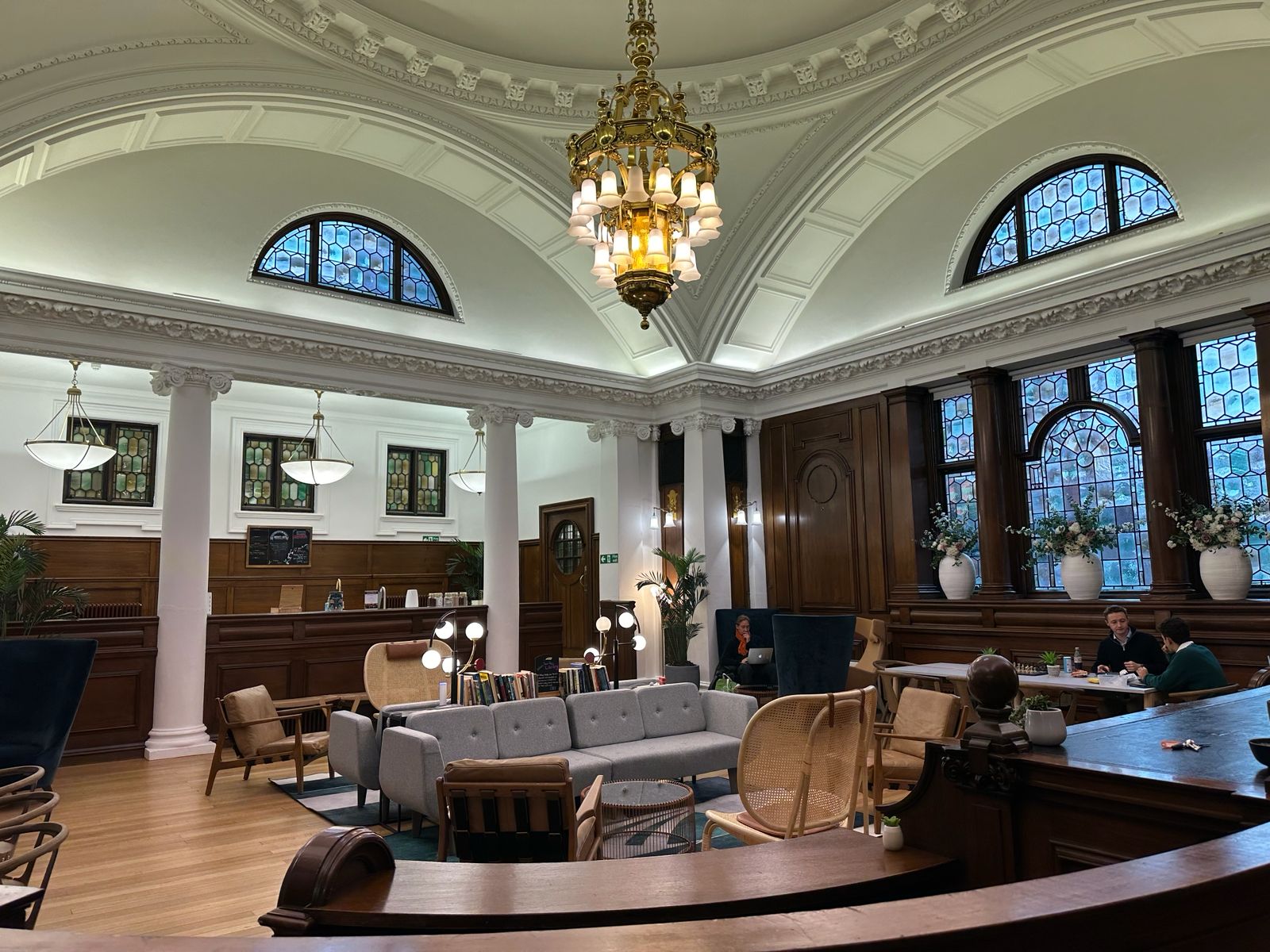
Coworking Westminster: Best Spaces Near Victoria, Southbank & Waterloo (2026 Guide)
If you need a central London base that feels credible the moment a client steps through the door, coworking Westminster is hard to beat. You’re sitting beside government, major employers and some of the capital’s best-connected stations—yet you can still tap into the flexible office ecosystems around Victoria, Southbank, Waterloo and Vauxhall when Westminster availability (or pricing) gets tight.
This 2026 guide breaks down where to look, what you’ll likely pay (and why), and how to choose between coworking and serviced offices depending on your team size, privacy needs and meeting-room habits. You’ll also get a practical tour checklist and a simple way to shortlist 3–5 buildings before you request quotes and negotiate terms.
Why coworking in Westminster works for business (and when it doesn’t)
For client-facing roles, policy-adjacent work and professional services, coworking Westminster offers a rare mix of convenience and credibility. You’re close to Parliament and Whitehall, with fast onward access to Victoria, the South Bank and Waterloo via short Tube hops or walkable river crossings. For Australian teams in London (or flying in regularly), that centrality reduces the “dead time” between meetings and helps hybrid work feel more anchored.
The upside is also the challenge. Prime postcodes come with higher desk rates, fewer larger contiguous options, and stricter building policies—particularly around security, visitor registration and after-hours access. If your work depends on regular guests, late-night access, or you need a quieter environment for calls, some Westminster buildings can feel constrained at peak times. It’s worth checking station accessibility and real-time travel options using Transport for London journey and station information before you commit to a location that looks good on paper but performs poorly for your team.
Also set expectations on what “coworking” means locally. In Westminster it often spans everything from hot desks in a shared lounge to private team offices within a flexible workspace, and it can blur into managed or serviced options where you’re effectively renting a private suite with shared amenities. Your best outcome comes from matching the product type to your risk profile, compliance needs and the way your team actually uses meeting rooms.
Coworking Westminster vs serviced offices: which setup should you choose?
The simplest distinction is this: coworking is designed for flexibility and community; serviced offices Westminster options are designed for privacy and operational ease. In a coworking Westminster setup, you’ll usually choose between hot desks (use-anywhere), dedicated desks (yours permanently), or a private office inside a coworking hub. Pricing tends to be per desk per month, with meeting rooms charged by the hour or via credits.
With Westminster serviced offices (also searched as westminster serviced offices), you’re typically leasing a private suite with an all-in service wrapper—reception, IT, cleaning, furnishings and meeting rooms on a pay-as-you-go or bundled basis. Contracts can still be flexible (monthly rolling to 12 months), but the trade-off is usually a higher base rate and less “drop in and float around” culture.
Decision factors that matter in Westminster: privacy and compliance (legal, finance, government-adjacent work), brand presence (signage and a consistent client experience), team size (a 6–20 person project team often benefits from a private suite), meeting room dependency (heavy use can swing costs), and budget predictability (serviced models can be easier for forecasting if inclusions are clear). For broader market context and professional guidance on leasing norms, it can help to reference RICS commercial property standards and insights.
Best-fit checklist: freelancers, startups, SMEs, and corporate project teams
Freelancers & solo consultants: Coworking generally wins—lower commitment, easier networking, and you can upgrade from hot desk to dedicated desk if you find yourself in the office most days. If you need mail handling and a consistent front-of-house experience, a small private office inside a serviced model can be worth the premium.
Startups (2–10 people): Coworking gives you momentum and flexibility—especially if headcount is volatile. Look for quiet zones, phone booths and meeting rooms that don’t become a daily battle. If you’re handling sensitive data, consider a lockable office within a coworking operator or step up to serviced offices Westminster offerings for stronger separation.
SMEs (10–50 people): You’ll usually get better outcomes in westminster serviced offices or managed suites—privacy, consistent IT, and fewer distractions. Procurement and compliance teams often prefer clearer service descriptions and SLAs, so ask for documentation on security, guest policies, and operational support.
Corporate project teams: Flexible workspace London guide for teams can help you compare contract structures and service levels before you shortlist. Serviced offices Westminster options are often the cleanest fit: predictable visitor handling, dependable meeting room inventory, and the ability to scale up/down with less internal facilities overhead. Confirm onboarding speed, access control, and whether your company can meet internal vendor requirements.
Area guide: Victoria (SW1) — commuter convenience and premium flexible space
If your Westminster search is coming up short, Victoria is the first area most teams should add to the shortlist. The station is a genuine commuter powerhouse, and the neighbourhood has a polished, corporate feel that suits client meetings. For many teams, coworking Victoria London options provide the same central credibility as Westminster, often with newer building stock and a slightly broader range of flexible floorplates.
Victoria is particularly strong for frequent rail users and anyone needing quick links to Gatwick. It’s also walkable to Westminster for meetings—meaning you can base in coworking London Victoria spaces while still being “Westminster-close” in practice. For planning and development context that influences where new offices appear (and what they’re like), see The London Plan strategic planning policy and the Greater London Authority’s planning and economic development publications.
Building types vary from modern towers with strong end-of-trip facilities to period conversions with character but less consistent acoustic performance. If you’re weighing serviced offices Victoria London versus coworking, the premium end of the market is well represented—so spend time validating what’s truly included in the headline price.
What to look for in Victoria buildings and operators
Prioritise features that directly reduce friction in a high-throughput commuter area: bookable meeting rooms that don’t vanish by 10am, plenty of phone booths, soundproofing between suites, and reliable after-hours access for global teams. Strong bike storage, showers, and lockers can materially improve attendance, particularly for staff living south of the river.
When comparing quotes for coworking Victoria London or serviced offices Victoria London, don’t just compare desk rates—compare the “all-in” cost. Ask whether meeting room credits are included, what guest access looks like, whether IT is a shared network or a private VLAN option, and what support exists if the primary internet connection fails. For independent data on London’s employment patterns that can influence peak usage and demand, consult the Office for National Statistics labour market and business data and the London Datastore’s employment and planning datasets.
Area guide: Southbank — creative energy and riverside coworking
Southbank is a different flavour to Westminster: more creative energy, more cultural foot traffic, and often a more relaxed workplace vibe. If you’re in media, tech, design, comms, or you value a buzzier neighbourhood for talent attraction, coworking Southbank can be a strong alternative—especially when you still need quick access to Westminster via bridges and riverside routes.
Compared with Westminster, you may find slightly more variety in space style and a wider spread of price points, but also more variability in noise and peak-time crowding. If your team is sensitive to distraction, view the space during a typical busy period. Operator scale can matter here; large brands are common, and searches like WeWork Southbank reflect that demand for predictable service and multiple nearby sites.
When a major operator is the right fit (and how to sanity-check the deal)
Major operators (including options often discovered via “WeWork Southbank” searches) can be a good fit when you want network access across London, a consistent member experience, and meeting room capacity at scale. They also tend to have established onboarding processes, which helps if you’re moving quickly.
But sanity-check the deal before you sign: read inclusions carefully, confirm notice periods and renewal mechanics, and ask how they manage occupancy in shared zones. Verify where quiet areas are (and whether they’re enforced), what guest policies look like (especially for frequent client meetings), and how mail handling works. If you want a deeper comparison beyond one brand, use this guide to WeWork alternatives in London. If you’re benchmarking the broader office market, third-party research sources like CoStar commercial real estate market data can be useful for understanding supply, demand and broader rent context beyond a single operator quote.
Area guide: Waterloo — transport hub plus serviced office choice
Waterloo is one of London’s most practical bases for teams who travel, meet clients frequently, or host regional colleagues coming into the city. The area’s flexible market is broad: you’ll see everything from coworking floors to high-quality suites marketed as serviced office Waterloo options, often with strong meeting room inventory and reception capability.
Waterloo suits consultants, hybrid teams and project groups who need an easy “meet in the middle” point. Trade-offs include heavy footfall, busy lifts, and sometimes sharp pricing variability between station-adjacent buildings and those set back on quieter streets. If you’re comparing a WeWork office Waterloo style offer with smaller providers, focus on what your team needs most: guaranteed rooms, quiet call space, or a more boutique environment. For a fuller breakdown of locations, membership types and how pricing really works, see the WeWork London UK guide. Keep an eye on macro conditions too—interest rates and business sentiment can influence operator incentives and deal terms, so it’s worth tracking Bank of England interest rate and economic updates when you’re negotiating.
Waterloo operator/location comparisons: station-adjacent vs quieter side streets
Micro-location changes the day-to-day experience more than many teams expect. Station-adjacent spaces (often promoted as WeWork near Waterloo or similar) can be unbeatable for commute convenience and client navigation—but you may deal with more ambient noise, busier lobbies, and lift queues at peak times. Quieter side streets can feel calmer and more professional for certain industries, even if you add a few minutes’ walk.
Use viewings to test the operational basics: how reception handles visitor registration, whether there’s Wi‑Fi redundancy (and what the failover process is), and whether meeting rooms are actually available when you need them (late morning to mid-afternoon is the real stress test). If you’ll host guests regularly, ask where they wait, how they’re announced, and whether there are privacy-friendly rooms near reception.
Vauxhall: value-focused offices to rent with fast links into Westminster
When Westminster or Victoria pricing is stretching the budget, Vauxhall can be a smart pressure-release valve. You still get rapid access into central areas via the Victoria line and National Rail, and the neighbourhood has a growing mix of modern residential-led development and commercial pockets that can suit scaling teams.
For growing headcount, offices to rent Vauxhall can deliver better value per desk—often with newer amenities and a bit more space to breathe. It’s particularly useful if your team cares more about getting in and out efficiently than having a Westminster postcode on the email footer. As you compare buildings, remember that local costs can also be influenced by property valuation and rating context—see the Valuation Office Agency guidance on rating and valuation.
What coworking and serviced offices in Westminster typically cost (and what changes the price)
Rather than relying on a single “average” number, it’s more useful to understand the pricing mechanics behind coworking Westminster and serviced office quotes. Costs typically move based on micro-location (fronting key streets and stations vs back streets), building grade (newer HVAC, better lifts, end-of-trip), length of commitment, and how much privacy you’re buying (open coworking vs lockable suite). Floor height, natural light and views can also nudge pricing up—especially in premium SW1 buildings.
Day passes can be cost-effective for occasional London trips, but frequent use often tips you into a monthly membership. To benchmark the day-pass market (including access windows and typical inclusions), use this coworking day pass London guide. Private offices in coworking environments tend to price differently to classic serviced offices Westminster suites, even when the inclusions look similar. When comparing across areas, keep the same lens for serviced offices Victoria London and serviced office Waterloo options: ask for a single all-in quote that clearly lists what’s included versus billed separately.
If you want authoritative context on property and location fundamentals—useful when sanity-checking long-term decisions—browse HM Land Registry resources on property information and transparency. While Land Registry is more residential-facing, it’s a credible reference point for understanding the UK’s property data landscape and how “official” information is structured.
Hidden costs and contract terms to verify before you commit
Flexible space can be genuinely simple—until add-ons appear. Before you sign with any westminster serviced offices or coworking provider, confirm: whether prices are quoted ex‑VAT or inc‑VAT, deposit amounts and when they’re returned, printing allowances and overage charges, and meeting room rates once credits run out. Ask about replacement access cards, after-hours air conditioning fees, and whether cleaning is included for private suites.
Contract terms matter just as much as the monthly figure. Check notice periods, “minimum commitment” language, expansion/contraction rules, and any early-exit costs. Confirm IT and security: is there a dedicated network option, what’s the guest Wi‑Fi setup, and are there any additional fees for static IPs or enhanced support? Practical questions to ask on tour: “Can you show me a sample invoice?”, “What does a typical month look like for add-ons?”, and “How do you handle visitors at peak times?”
How to choose the right workspace: a practical shortlist method
To choose confidently (and avoid touring 15 spaces), use a simple shortlist process:
1) Define must-haves vs nice-to-haves. Include privacy level, minimum meeting rooms per week, after-hours access, bike facilities, and whether you need a formal reception.
2) Map commutes. Identify where your team is travelling from and shortlist areas that reduce total commute time—often a split between coworking Westminster, coworking London Victoria, coworking Southbank and serviced office Waterloo. Add offices to rent Vauxhall if value is a key driver.
3) Compare 3–5 buildings, not 10+. Request like-for-like quotes (same team size, same term, same meeting room allowance) and force clarity on inclusions.
4) Tour and score. Use a scoring rubric out of 10 for each: Location/commute, Price/all-in value, Privacy/noise control, Amenities, and Operator reputation/support.
5) Negotiate. Ask for incentives (extra meeting room credits, a free month, or discounted upgrades) in exchange for a longer term or faster start date.
Tour checklist for Westminster, Victoria, Southbank and Waterloo
Bring this checklist to every viewing (and take photos so you can compare later):
Reception & guest handling: Is there a professional welcome? How are visitors registered and announced? (Important for client-facing teams.)
Security & access: Turnstiles vs staffed entry, CCTV coverage, after-hours access policies, and how quickly lost cards are replaced.
Noise & privacy: Test phone booths and quiet zones. Ask where the “loud” areas are. If you’re considering a WeWork office Waterloo style operator, check actual occupancy and etiquette enforcement.
Desk ergonomics: Chair quality, monitor arms, desk depth, and whether you can bring your own equipment.
Meeting rooms: Quantity, sizes, AV quality, and real peak availability. Confirm how credits work and what overages cost.
Breakout space: Enough soft seating for informal chats without taking meeting rooms.
Natural light & HVAC: Check comfort in interior zones; ask whether after-hours air conditioning is included.
End-of-trip: Secure bike storage, showers, towel service (if any), lockers.
Accessibility: Step-free access, lift sizes, accessible toilets, and clear wayfinding.
Paperwork: Ask for a sample invoice, the full service schedule, and a copy of key terms (notice period, deposit, inclusions).
Next steps: compare more London areas, day passes and operators
To move from research to a signed space, narrow your shortlist to 2–3 areas, decide whether coworking Westminster or a serviced suite is the better operational fit, then request like-for-like quotes and book tours within the same week (so you can compare fairly). If availability is tight in SW1, broaden your search radius and cross-compare day passes versus memberships to validate how often your team will realistically attend.
For a wider scan of neighbourhoods, pricing patterns and pass types, use Coworking London (2026): best spaces, prices, day passes & area guides as your next reference point before you lock in inspections and negotiate terms.
Final Thoughts
The best coworking Westminster choice is the one that matches your real working week: commute patterns, privacy needs, meeting room intensity, and how much operational support you want baked into the price. If Westminster is too expensive or too constrained, Victoria can deliver premium convenience, Southbank adds creative energy with strong walkability, Waterloo excels for transport-led teams, and Vauxhall can unlock value without losing fast access to central London. Build a shortlist, tour with a checklist, confirm hidden costs in writing—and then take the next step by exploring flexible office listings on SEEK or speaking with a tenant rep to negotiate the right deal for your team.